Follow the curve of the coast, from pastel villages to quiet coves. Leave space for lemon-scented terraces, a swim before lunch, and evenings that last a little longer.
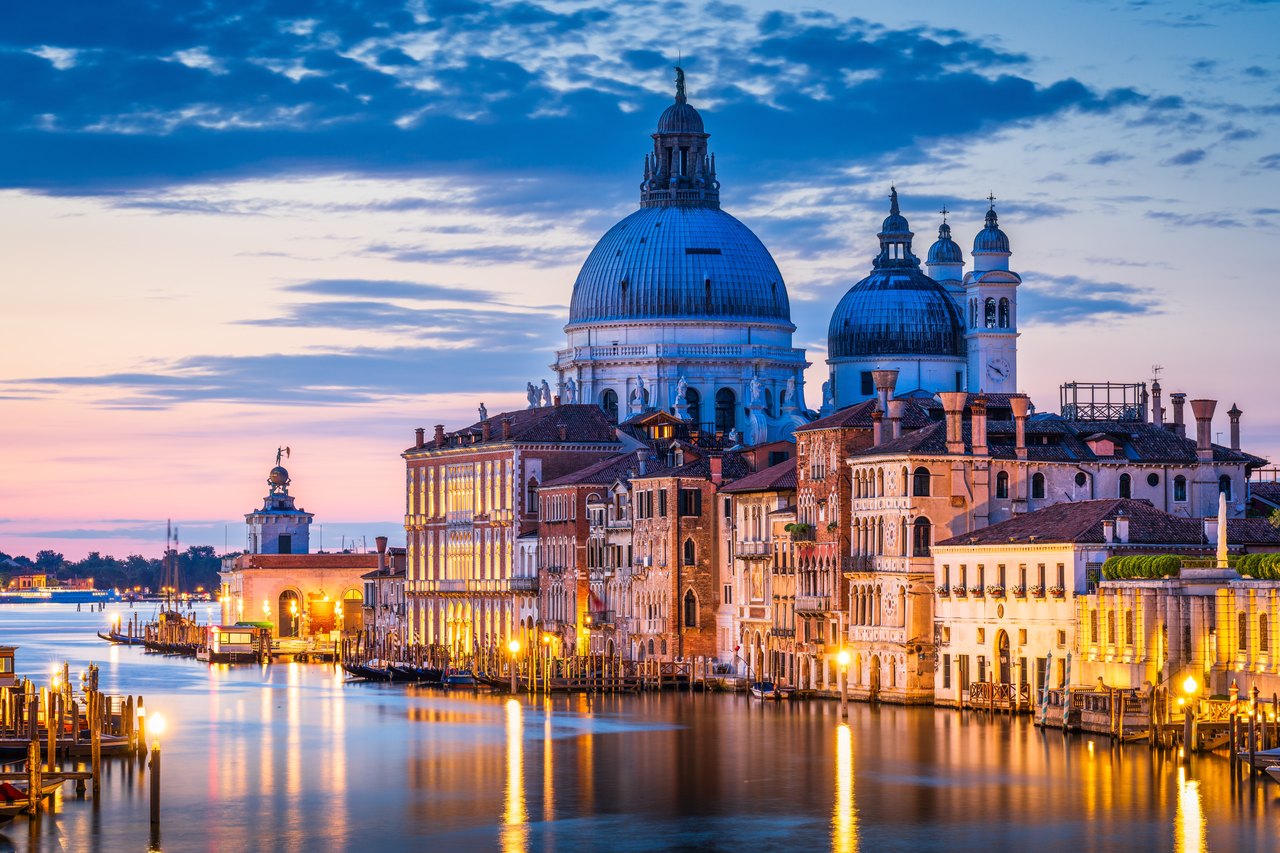
There is a quieter Venice beyond the busiest routes. Follow narrow lanes, pause beside a canal, and make room for the small details of everyday life on the lagoon.
Official visitor links open in a new tab. Some local guides are in Italian.
4 sample journeys to inspire your trip
Positano · Amalfi Coast
Amalfi Coast
·
7 days
The art of doing nothing
Sea-view mornings, small coastal villages, and time to simply be.
Cities & towns to discover
Sample itinerary
A closer look at Amalfi
Amalfi: dining & discoveries
A harbor, a cathedral square, and lanes that draw you inland: Amalfi rewards a day spent on foot. Start beside the water, then follow the town into its older streets, leaving time to stop for coffee and browse small shops. Its lemon-growing landscape and paper-making heritage give this coastal stop a character that goes well beyond the sea view.
Dining & local flavors
Let a day in Amalfi unfold around a long lunch and a pause for something sweet. Look for scialatielli, the local pasta served in seafood or land-based variations, and lemon desserts inspired by the Sfusato Amalfitano. Pair a morning exploring the old town with lunch near the harbor, then leave time for a café stop after the Paper Museum. Menus and seasonal dishes vary by restaurant.
Amalfi Cathedral
(opens in a new tab)
— Look beyond the celebrated exterior to the cathedral’s religious art and layered architectural history. Combine the visit with time in the surrounding square; the museum’s own website explains the complex and its visitor arrangements.
Paper Museum
(opens in a new tab)
— Head farther into town to discover how handmade paper became part of Amalfi’s identity. The former mill preserves historic equipment and offers a different perspective on local craftsmanship, making a thoughtful contrast to a morning by the harbor.
Official links open in a new tab. Check current visitor information before your trip.
Florence · Tuscany
Tuscany
·
8 days
A taste of the slow life
From Florence to the hills, follow the flavors of the countryside.
Cities & towns to discover
Sample itinerary
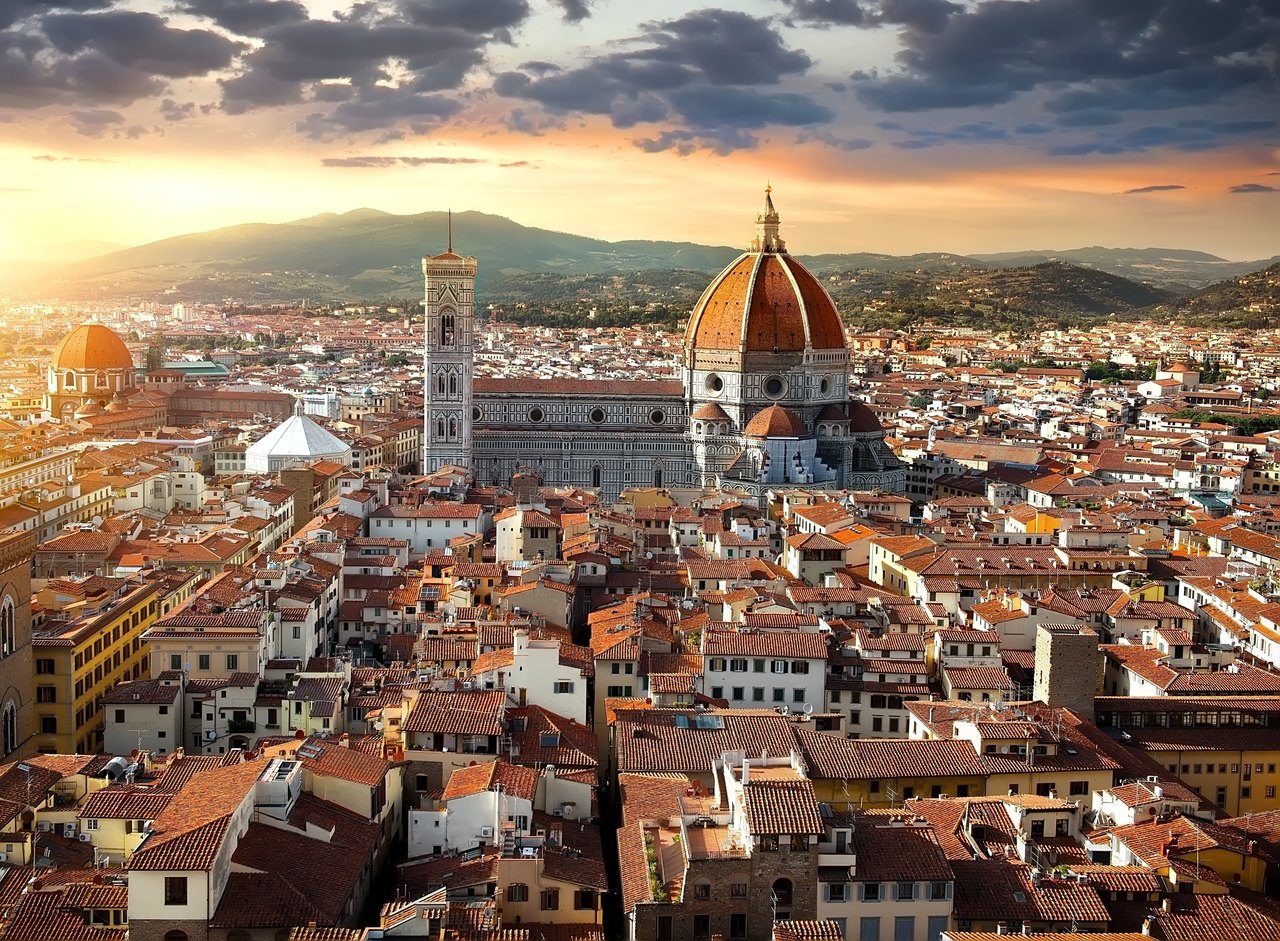
A closer look at Florence
Florence: dining & discoveries
Florence brings art, architecture, and everyday city life into the same walk. Build your day around one major museum, then leave room for neighborhood streets, a market stop, and a leisurely meal. The city makes a natural beginning to a Tuscan journey: spend time with its collections and monuments before continuing to Siena or the countryside. A focused visit is often more enjoyable than trying to see every landmark at once.
Dining & local flavors
Florentine dining balances hearty trattoria cooking with quick street-food stops. Look for ribollita, a vegetable-and-bread soup, pappa al pomodoro, and bistecca alla fiorentina; adventurous eaters can explore the city’s lampredotto tradition. Allow a proper lunch break between museum visits, or choose a simpler stop before an afternoon walk. The city’s food guide introduces these specialties so you can choose a meal that suits your tastes.
Uffizi Galleries
(opens in a new tab)
— Discover Renaissance paintings alongside sculpture and earlier works. Choose a few collections that interest you and allow time to look closely. The official gallery website provides collection information and the current arrangements for visiting.
Florence Cathedral complex
(opens in a new tab)
— Explore the cathedral, Brunelleschi’s dome, the bell tower, baptistery, and museum through the official monument guide. Choose which parts suit your interests and mobility, and check the requirements for each visit in advance.
Official links open in a new tab. Check current visitor information before your trip.
Venice · Grand Canal
Venice
·
5 days
Venice, beyond the postcard
Canal-side wanderings and the quieter corners of the lagoon.
Cities & towns to discover
Sample itinerary
A closer look at Venice
Venice: dining & discoveries
Venice is best experienced at walking pace, with room to pause where a narrow lane meets a canal. Combine a major cultural visit with time in a neighborhood such as Cannaregio, where waterside corners and small bars invite a slower afternoon. Leave space for cicchetti, the small bites associated with Venetian bars, and consider a separate outing to Murano for a closer look at the lagoon’s craft traditions.
Dining & local flavors
Make dining part of the walk through Venice. In Cannaregio, small bars and taverns offer cicchetti, the bite-sized snacks associated with the city’s aperitivo tradition. For a look at the ingredients behind local cooking, plan a morning around the Rialto markets and their fish and produce stalls. Follow a market visit with an unhurried lunch, then leave room for a small tasting stop later in the day.
Doge’s Palace
(opens in a new tab)
— Visit one of the city’s defining Gothic buildings and explore its history and collections through the civic museum’s official guide. Make this the main cultural stop of the day, then continue with a walk through the surrounding city.
Venice neighborhoods and visitor guide
(opens in a new tab)
— Use the city’s own guide to choose neighborhood routes, understand local transport, and find current visitor information. Check any access requirements for your travel dates before arriving, then leave some of your walking route open to discovery.
Official links open in a new tab. Check current visitor information before your trip.
Lake Como · Lombardy
Italian Lakes
·
7 days
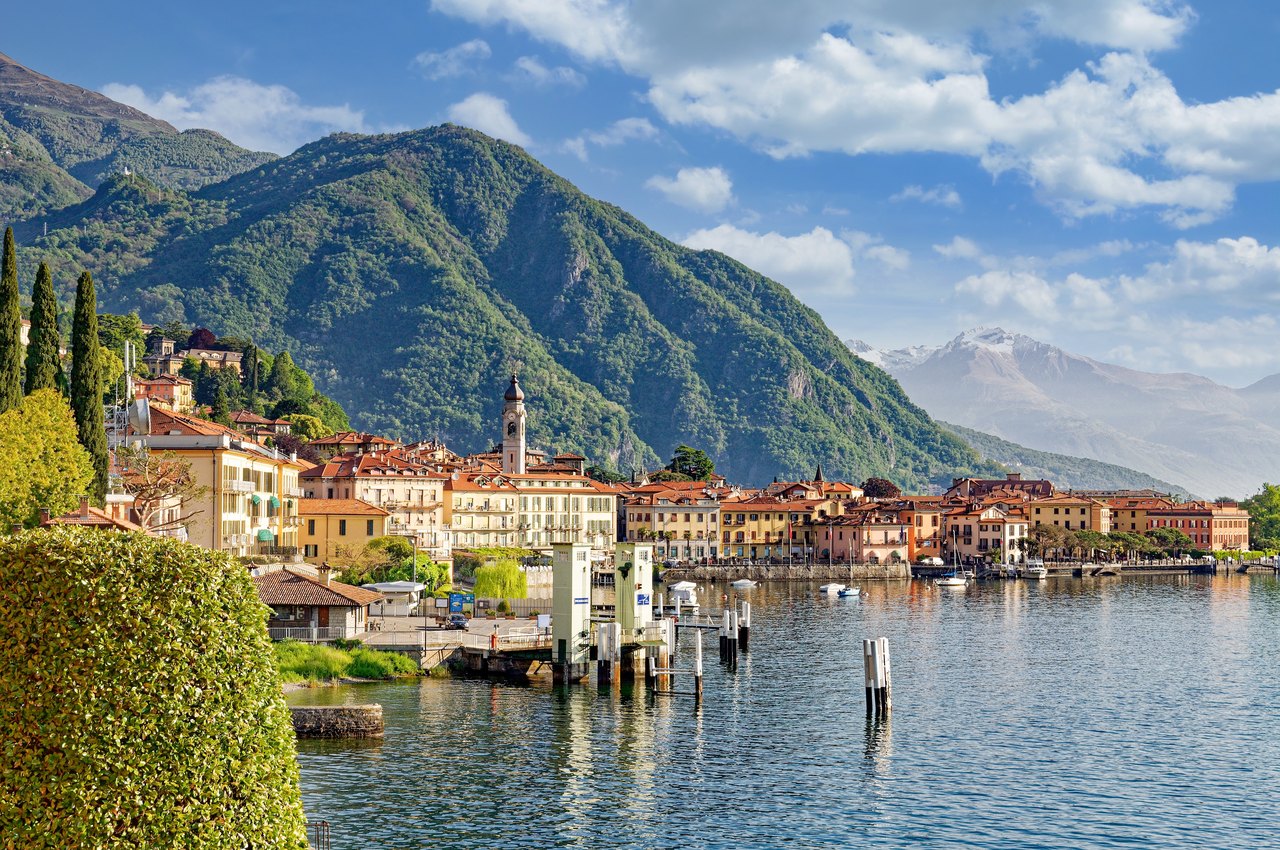
Days by the water
Lakeside villages, gentle walks, and room to breathe.
Cities & towns to discover
Sample itinerary
A closer look at Como
Como: dining & discoveries
Make Como the city chapter of a Lake Como escape: time for its cathedral and historic streets, followed by a slower pause beside the water. A satisfying day can be simple—a cultural visit in the morning, lunch without a deadline, and an afternoon reserved for exploring. If you are continuing to another lakeside town, check the journey separately and leave room for transfers rather than fitting too many stops into one day.
Dining & local flavors
Como’s food reflects the lake and the surrounding countryside. Local specialties include risotto with perch and missoltini, dried fish traditionally served with polenta. Let a cathedral visit lead into a relaxed lunch, then spend the afternoon by the water. The regional dining guide explains the area’s different culinary traditions and introduces places to eat; consult individual restaurants for current menus and reservations.
Como Cathedral
(opens in a new tab)
— The cathedral is both an active place of worship and an important stop for art and architecture. Its own visitor page explains the areas open to tourists and how visits fit around religious services; consult it before setting your itinerary.
The cathedral on Como’s city website
(opens in a new tab)
— Read the municipality’s introduction to the building’s long construction history and late Gothic façade. This Italian-language city page adds useful historical context before you see the stonework and sculpture in person.
Official links open in a new tab. Check current visitor information before your trip.
A different kind of journey?
Try another combination, reset the filters, or share your ideas in the planner.
Illustrative itineraries only. No live prices, availability, guides, or accommodation are promised.
Ravioli · A taste of Italy
Italian cuisine · City by city
A place at the table.
A taste of Italy.
Fresh pasta dusted with flour. Olive oil poured over warm bread. A table that becomes the afternoon’s destination.
Travel from Amalfi and Positano to Florence, Siena, Venice, Murano, Como, and Varenna through the pleasures of the table. From a quick morning espresso to a long conversation after dinner, the moments around a meal are part of the journey.
A visual menu for your journey: regional traditions sit alongside Italian-inspired dishes, with each caption connecting the plate to a place.
01 / Amalfi & Positano
Lunch with the sea in view.
Follow a morning in Amalfi with a slow lunch, or settle into Positano for an evening by the water. These seafood dishes set the mood for a coastal table.
A seafood lunch to pair with a walk through Positano. Ask for the day’s local catch and pasta choices.
Mussels & pasta
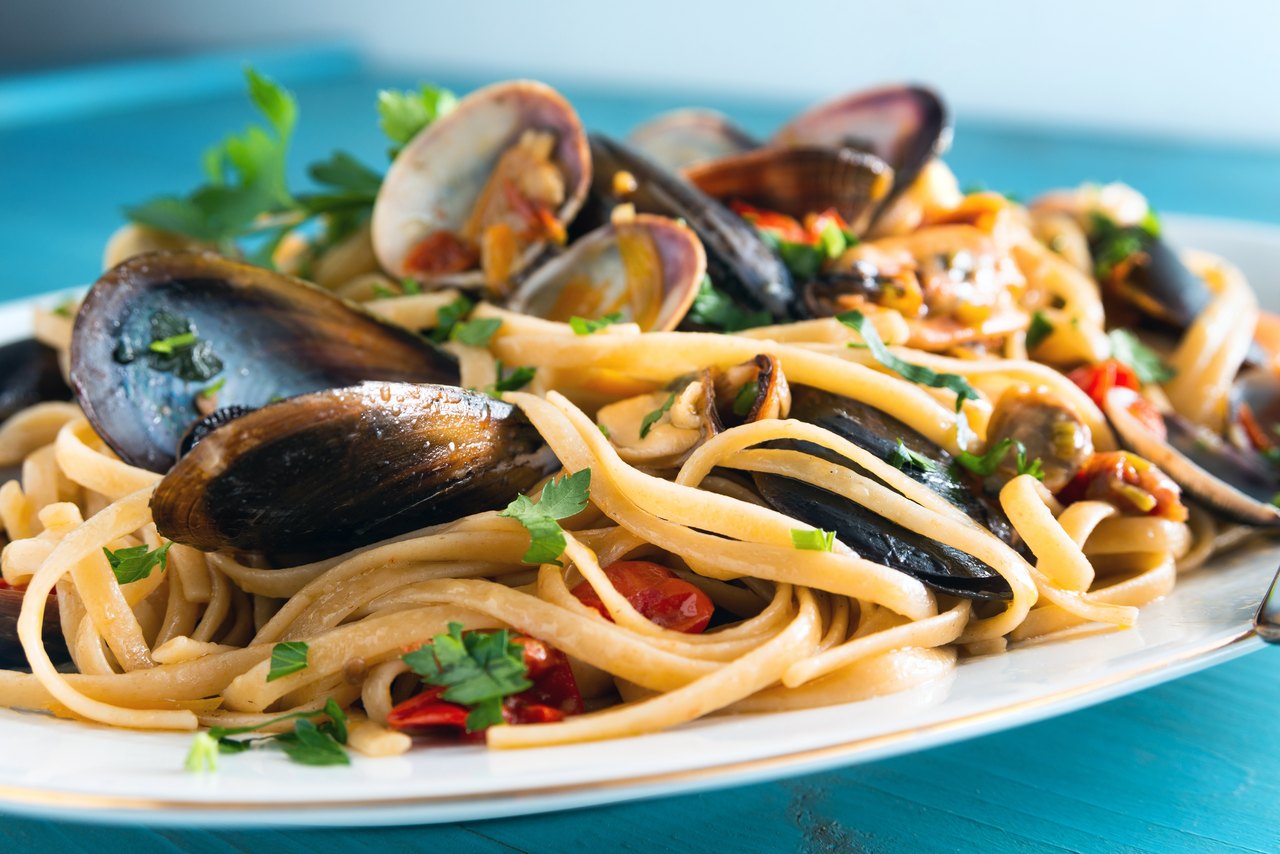
For your Amalfi stop, explore seafood pasta and local scialatielli. The pictured dish uses long pasta with mussels.
A coastal variation
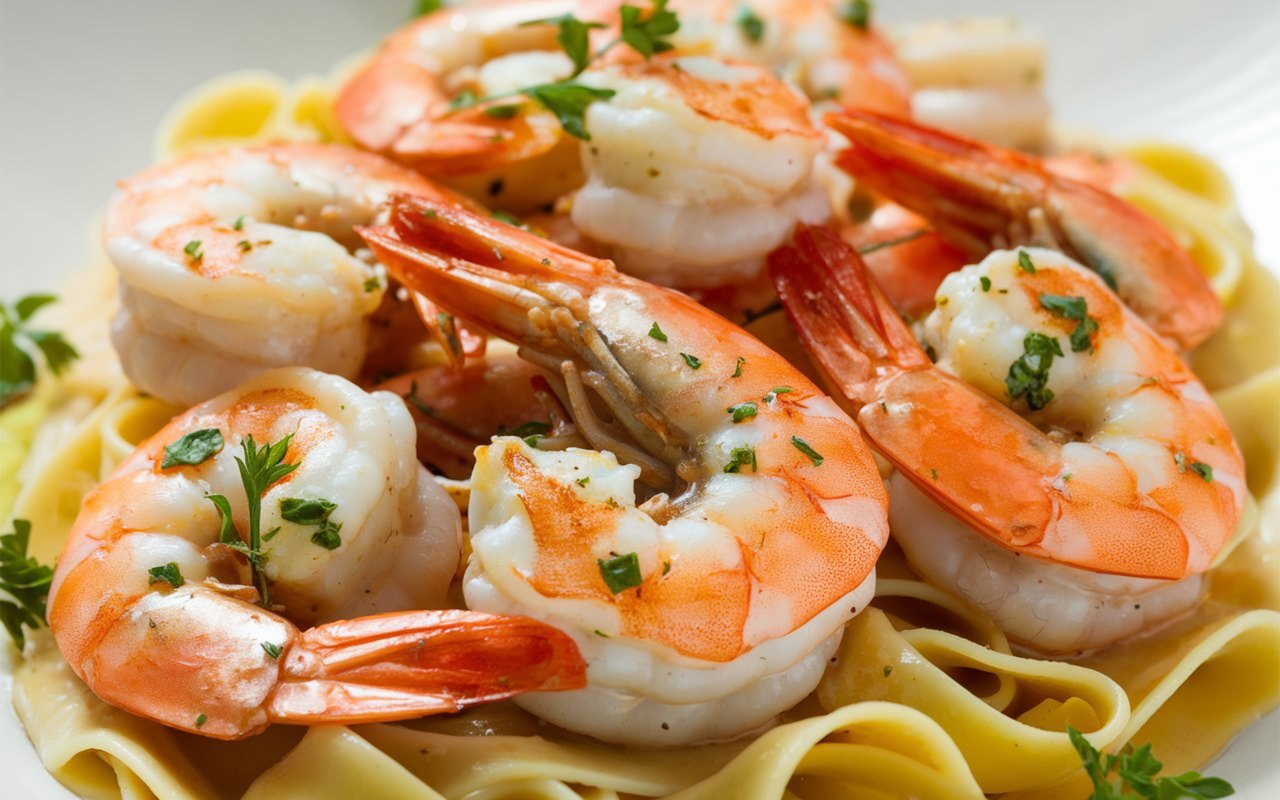
Creamy prawn pasta offers another take on a seaside meal. Treat it as dining inspiration for your coastal stay, rather than a named Amalfi specialty.
02 / Florence & Siena
The pleasures of a Tuscan table.
Between Florence’s galleries and Siena’s medieval streets, make room for a leisurely meal. Shared starters and handmade pasta are an invitation to slow down.
Pair a Florence market visit with salumi and cheese. Ask about local Tuscan products when choosing your board.
A handmade pasta pause
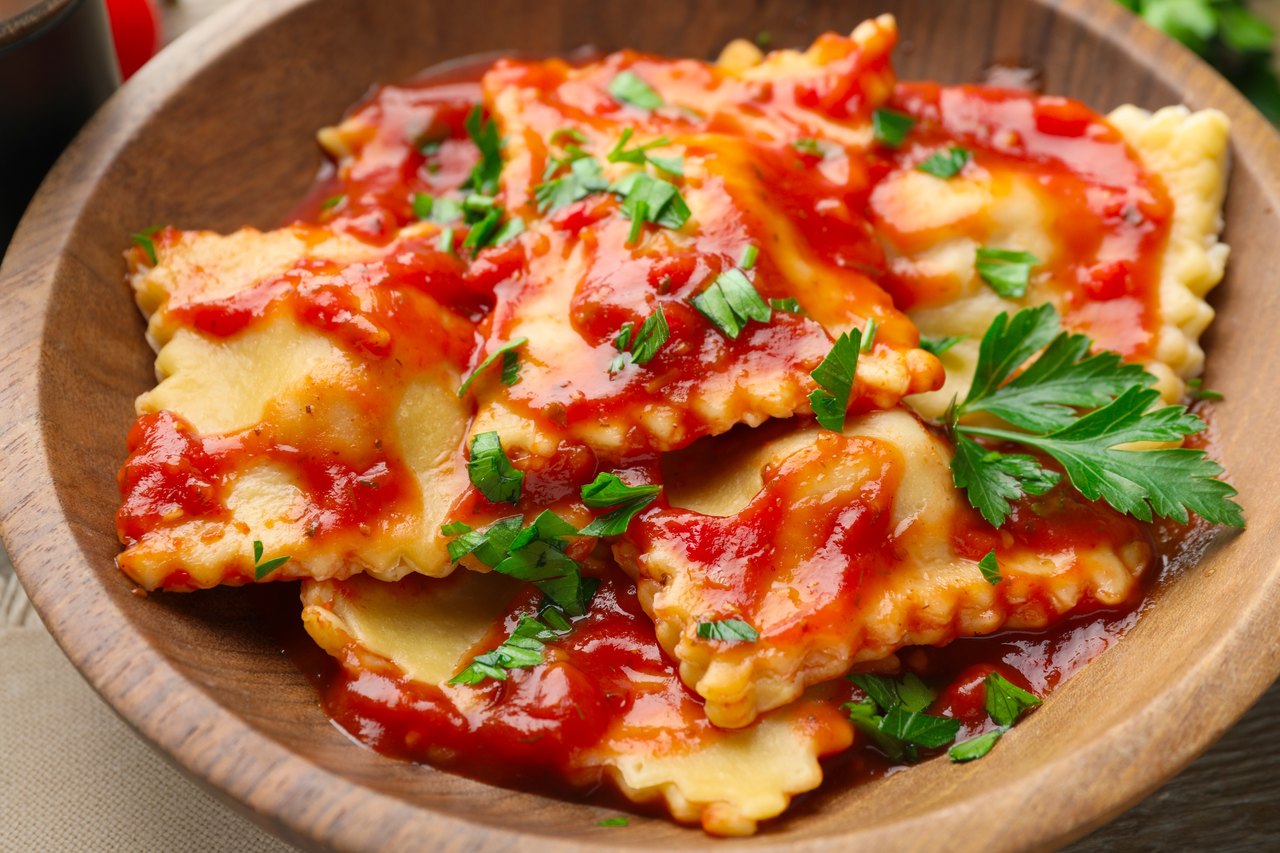
Build a Siena lunch around filled pasta and a seasonal sauce. These ravioli are an invitation to explore the menu, not a dish exclusive to Siena.
Bread, with a Tuscan connection
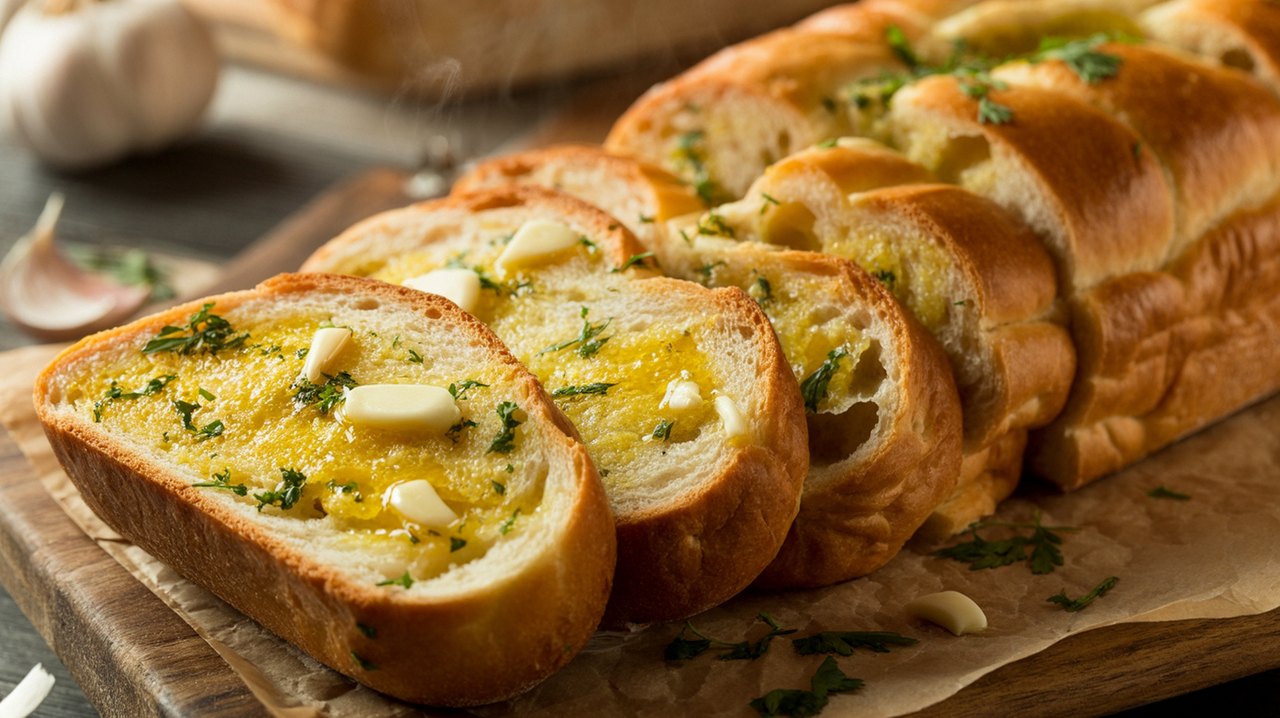
The buttery garlic bread pictured offers a familiar starting point. In Florence, explore fettunta: toasted bread with garlic and olive oil.
03 / Venice & Murano
Small plates. Long conversations.
Pause between canals and glass studios for a little food and conversation. Use these Italian dishes as inspiration, then look for local cicchetti and lagoon ingredients.
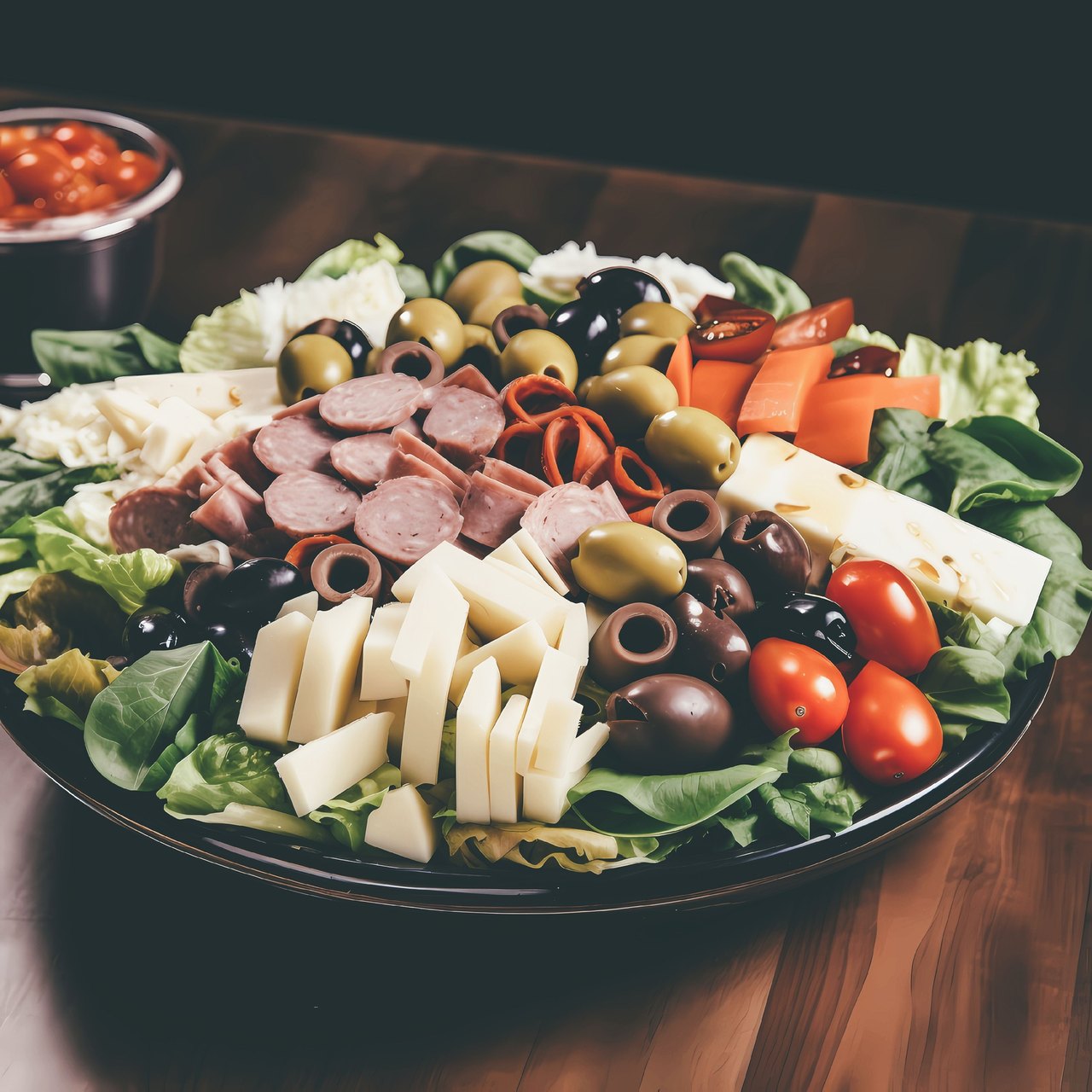
This antipasto platter suggests a relaxed start in Venice. At a bacaro, discover the smaller, individual bites known as cicchetti.
Comfort by the canals
Meatballs in tomato sauce make a hearty meal after a Murano outing. Venetian bar-style polpette may instead be fried and served as small bites.
Keep lunch simple
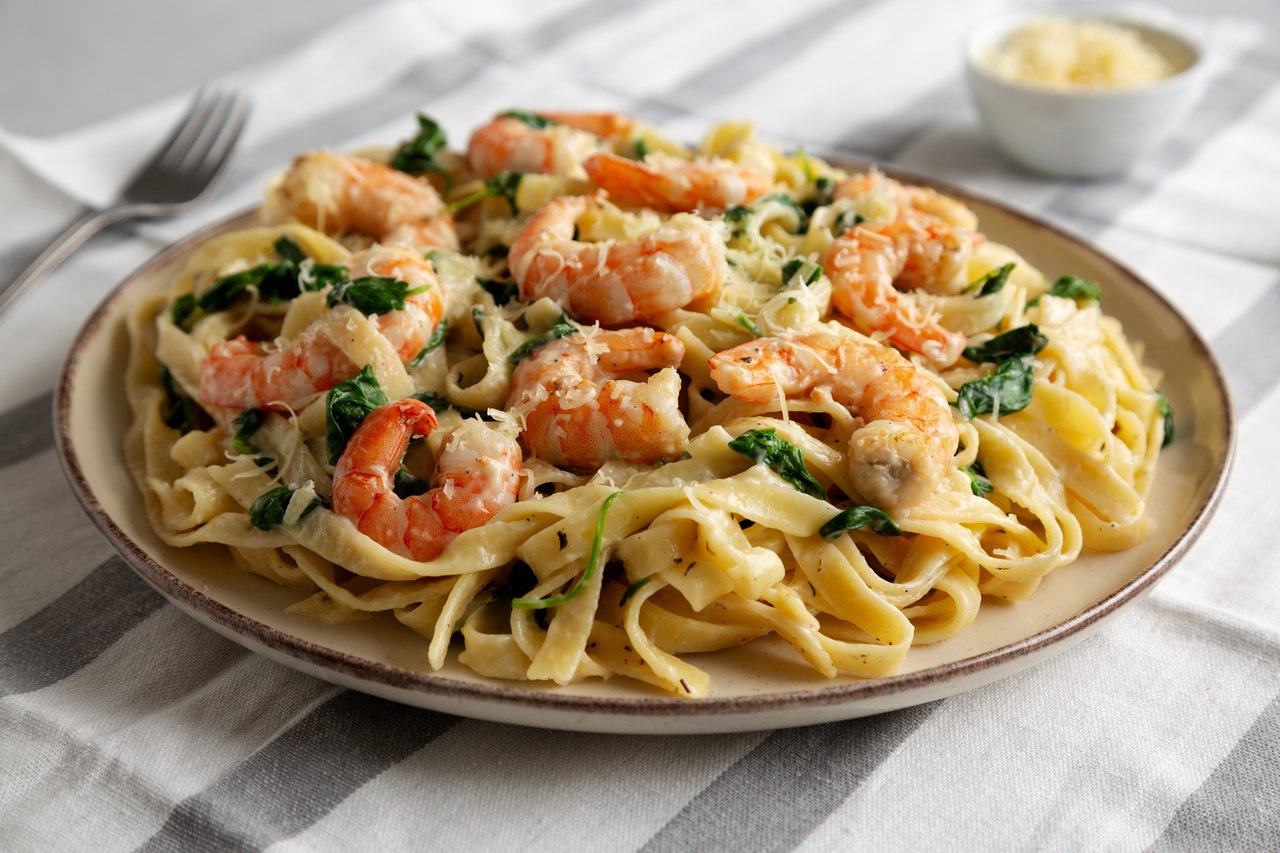
A plate of ribbon pasta leaves time for an afternoon in Venice. This cheese-and-herb version is general Italian inspiration, not a Venetian specialty.
04 / Como & Varenna
Leave room for a little indulgence.
Let a lakeside walk lead into lunch or dessert. Como’s local fish and risotto traditions sit alongside the broader pleasures of northern Italian cooking.
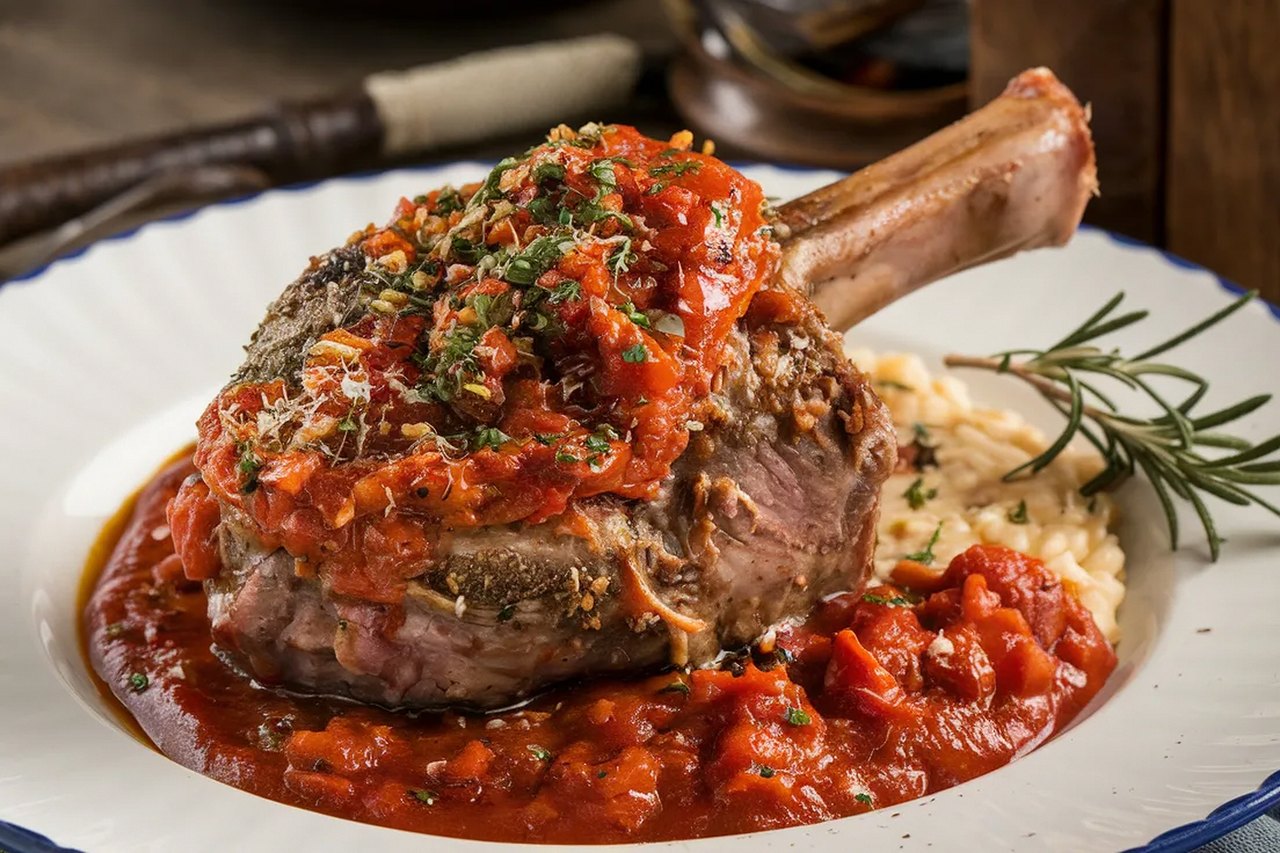
This braised shank brings a hearty note to a Lake Como itinerary. Extend the journey to Milan for its classic ossobuco; the image shows a different shank presentation.
A gelato interlude
Pause for pistachio or chocolate gelato between Como’s old town and the waterfront, or after a garden walk in Varenna.
Cake beside the lake
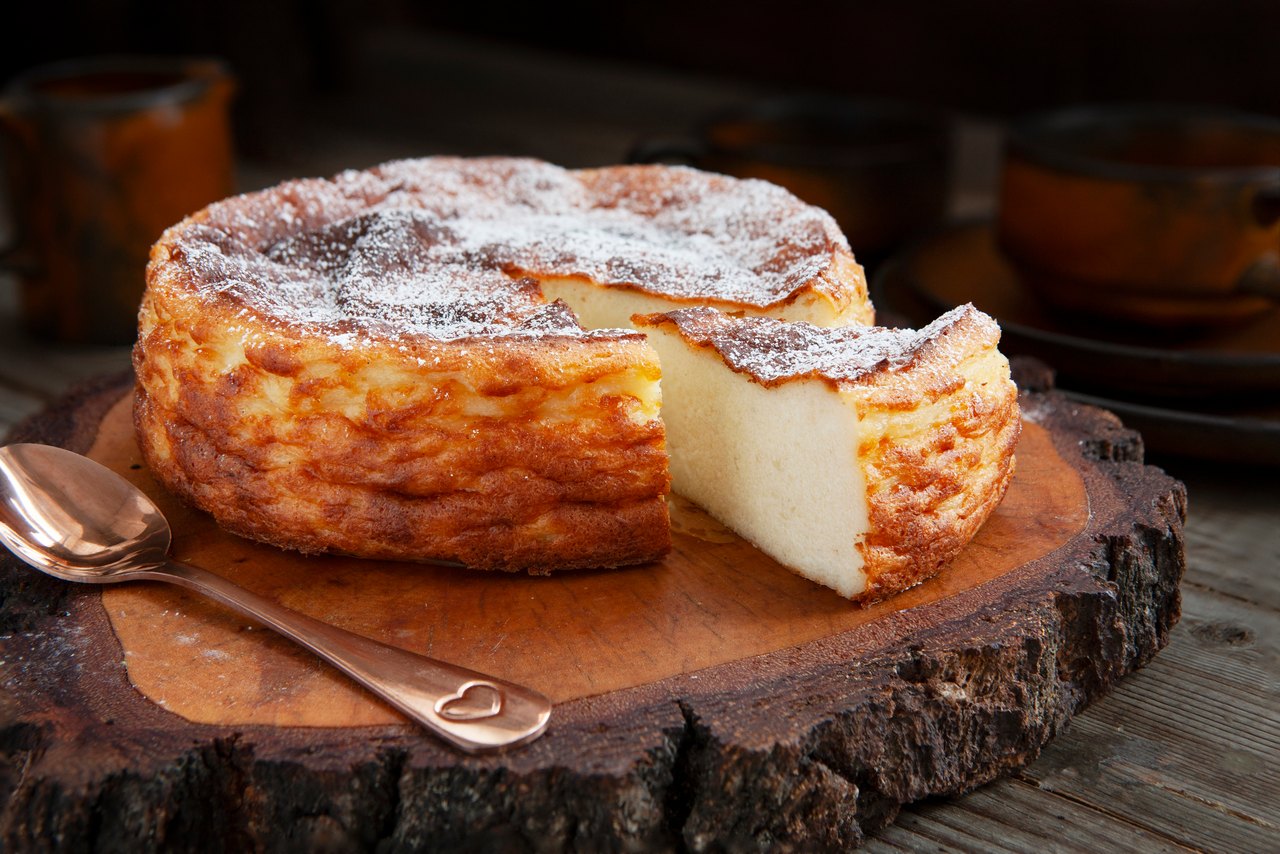
A creamy cake and coffee make an unhurried finish in Varenna. The supplied image is dessert inspiration, not an identified local cake recipe.
A little farther afield
Let your appetite choose the next city.
Three more tastes for a longer Italian adventure. Naples and Palermo are optional ideas beyond the sample routes.
Naples · A pizza pilgrimage
Add Naples to your coastal journey to explore its pizza tradition. The supplied image shows a cured-meat and rocket pizza, one of many topping combinations.
Naples · A pastry-shop morning
This mixed pastry tray suggests a morning at the counter. In Naples, discover sfogliatelle alongside the city’s other sweet traditions.
Palermo · A Sicilian detour
For a separate Sicilian chapter, explore Palermo through its pastry shops. Traditional Sicilian cannoli feature ricotta; the supplied image includes cream and chocolate variations.
Start with an espresso and a pastry, then watch the neighborhood wake up.
A TAVOLA
Make time for lunch.
Choose a seasonal dish, settle into the conversation, and leave room for another course.
LA SERA
Let the evening unfold.
An aperitivo, a relaxed dinner, and a gentle after-dinner stroll. No need to rush the day away.
Dining inspiration only. Menus, dietary needs, cooking classes, and reservations should be confirmed with your chosen operator.
Meno fretta, più vita · Less hurry, more life
The best of Italy
isn’t on a checklist.
A thoughtful route, space for discovery, and time to make a place your own. Our idea of a great journey is that simple.
01
Go a little deeper.
A few places, experienced well. Look beyond the headline sights and make time for the everyday details.
02
Keep it personal.
Start with what you love: food, landscapes, art, or simply being somewhere new. Let that shape your route.
03
Leave a little room.
Space in the day is part of the journey. A good itinerary knows when to step aside.
Some journeys take you somewhere.
The best ones stay with you.
The Andiamo way
Before you say andiamo
A few things
you might wonder.
Start with a little inspiration.
Leave room for something unexpected.
Where is the best night life in Italy?
For a lively evening, our pick is Milan’s Navigli district. Its canals are lined with bars, restaurants, and clubs, making it a great place to start with an aperitivo before dinner and stay out for music afterward. The best spot depends on your style, but Navigli offers plenty of variety.
Explore Milan’s Navigli ↗
What is a dish I must try in Italy?
Try a classic pizza Margherita in Naples: tomato, mozzarella, and basil on freshly baked dough. It is a simple introduction to the city’s celebrated pizza tradition, where the dough and ingredients do the talking. Make time for a relaxed pizzeria lunch and enjoy it fresh from the oven.
Discover Naples’ pizza tradition ↗
Where is the most beautiful scenery?
For sweeping sea views, our pick is the Amalfi Coast. Cliffs rise above small bays, villages climb the hillsides, and terraces of citrus trees overlook the water. Beauty is personal, but this stretch of coast is a wonderful choice if your idea of Italy includes dramatic landscapes and time by the sea.
Explore the Amalfi Coast ↗
Where is the best place to sight see?
For a first visit, we recommend Rome. The Colosseum, Roman Forum, Pantheon, and Trevi Fountain bring ancient history and grand architecture into one city. Spread your sightseeing across a few days so there is time for its squares, cafés, and unexpected discoveries between the major landmarks.
Explore Rome’s official sightseeing itinerary ↗
Your Italy starts here
Tell us what
you’re dreaming of.
A place you have always wanted to see. A milestone worth celebrating. Or just a little time away. Put your ideas into a trip brief.
A harbor, a cathedral square, and lanes that draw you inland: Amalfi rewards a day spent on foot. Start beside the water, then follow the town into its older streets, leaving time to stop for coffee and browse small shops. Its lemon-growing landscape and paper-making heritage give this coastal stop a character that goes well beyond the sea view.
Dining & local flavors
Let a day in Amalfi unfold around a long lunch and a pause for something sweet. Look for scialatielli, the local pasta served in seafood or land-based variations, and lemon desserts inspired by the Sfusato Amalfitano. Pair a morning exploring the old town with lunch near the harbor, then leave time for a café stop after the Paper Museum. Menus and seasonal dishes vary by restaurant.
Amalfi Cathedral
(opens in a new tab)
— Look beyond the celebrated exterior to the cathedral’s religious art and layered architectural history. Combine the visit with time in the surrounding square; the museum’s own website explains the complex and its visitor arrangements.
Paper Museum
(opens in a new tab)
— Head farther into town to discover how handmade paper became part of Amalfi’s identity. The former mill preserves historic equipment and offers a different perspective on local craftsmanship, making a thoughtful contrast to a morning by the harbor.
Visit Amalfi
(opens in a new tab)
— Use the town’s visitor guide to explore walking ideas, beaches, dining, and transport before choosing your day’s route.
Above the coastline, Ravello invites a change of pace: garden paths, historic buildings, and views that encourage you to linger. Pair it with Amalfi for a day that moves from the harbor to the hills, allowing time for the transfer and an unhurried lunch. A rewarding visit can revolve around a garden, a church, and the simple pleasure of sitting in the town square.
Places to see
Villa Rufolo
(opens in a new tab)
— Explore the historic villa complex and its gardens overlooking the coast. The setting connects architecture, landscape, and Ravello’s musical life. Consult the foundation’s site for current access information and events before planning your visit.
Ravello Cathedral
(opens in a new tab)
— Step into the cathedral to discover the town’s religious heritage and medieval craftsmanship. Its visitor page explains the church and museum arrangements, helping you fit this quieter cultural stop around your time in the gardens.
Florence brings art, architecture, and everyday city life into the same walk. Build your day around one major museum, then leave room for neighborhood streets, a market stop, and a leisurely meal. The city makes a natural beginning to a Tuscan journey: spend time with its collections and monuments before continuing to Siena or the countryside. A focused visit is often more enjoyable than trying to see every landmark at once.
Dining & local flavors
Florentine dining balances hearty trattoria cooking with quick street-food stops. Look for ribollita, a vegetable-and-bread soup, pappa al pomodoro, and bistecca alla fiorentina; adventurous eaters can explore the city’s lampredotto tradition. Allow a proper lunch break between museum visits, or choose a simpler stop before an afternoon walk. The city’s food guide introduces these specialties so you can choose a meal that suits your tastes.
Uffizi Galleries
(opens in a new tab)
— Discover Renaissance paintings alongside sculpture and earlier works. Choose a few collections that interest you and allow time to look closely. The official gallery website provides collection information and the current arrangements for visiting.
Florence Cathedral complex
(opens in a new tab)
— Explore the cathedral, Brunelleschi’s dome, the bell tower, baptistery, and museum through the official monument guide. Choose which parts suit your interests and mobility, and check the requirements for each visit in advance.
Siena offers a different Tuscan rhythm, with medieval streets climbing between its hills and opening onto memorable civic spaces. Make the historic center the focus of your day, alternating architectural discoveries with breaks in a café or a small restaurant. It pairs well with Florence, but deserves time of its own: the pleasure is in following the lanes between the main sights, rather than arriving for a single photograph.
Places to see
Piazza del Campo and Siena’s historic center
(opens in a new tab)
— Begin at the shell-shaped square, framed by the Palazzo Pubblico and the Torre del Mangia. Tuscany’s official city guide introduces these landmarks and the streets around them, helping you connect the square with a broader walk through Siena.
Siena Cathedral complex
(opens in a new tab)
— Give the cathedral and its associated museum time beyond a quick stop. The complex includes the Piccolomini Library and remarkable works of art. Review the official visitor information to choose the areas you want to see and confirm current access.
Venice is best experienced at walking pace, with room to pause where a narrow lane meets a canal. Combine a major cultural visit with time in a neighborhood such as Cannaregio, where waterside corners and small bars invite a slower afternoon. Leave space for cicchetti, the small bites associated with Venetian bars, and consider a separate outing to Murano for a closer look at the lagoon’s craft traditions.
Dining & local flavors
Make dining part of the walk through Venice. In Cannaregio, small bars and taverns offer cicchetti, the bite-sized snacks associated with the city’s aperitivo tradition. For a look at the ingredients behind local cooking, plan a morning around the Rialto markets and their fish and produce stalls. Follow a market visit with an unhurried lunch, then leave room for a small tasting stop later in the day.
Doge’s Palace
(opens in a new tab)
— Visit one of the city’s defining Gothic buildings and explore its history and collections through the civic museum’s official guide. Make this the main cultural stop of the day, then continue with a walk through the surrounding city.
Venice neighborhoods and visitor guide
(opens in a new tab)
— Use the city’s own guide to choose neighborhood routes, understand local transport, and find current visitor information. Check any access requirements for your travel dates before arriving, then leave some of your walking route open to discovery.
Murano is an island community within Venice, known for its glass-making heritage. Visit as a deliberate part of your lagoon itinerary, with time for the museum and a walk along the canals instead of treating it only as a shopping stop. Looking at historic glass first can make the colors, shapes, and techniques in contemporary work more meaningful. Arrange any studio or furnace visit with its operator in advance.
Places to see
Murano Glass Museum
(opens in a new tab)
— Explore the history of glass through the museum’s collections, from ancient objects to the work associated with Murano. The official museum site explains the displays and provides the information needed to plan a visit at your own pace.
Murano island guide
(opens in a new tab)
— The city’s island page connects Murano with its craft heritage and other lagoon destinations. Use it to shape a wider outing and consult current waterbus information before deciding how much of the day to spend on the island. This page is in Italian.
Make Como the city chapter of a Lake Como escape: time for its cathedral and historic streets, followed by a slower pause beside the water. A satisfying day can be simple—a cultural visit in the morning, lunch without a deadline, and an afternoon reserved for exploring. If you are continuing to another lakeside town, check the journey separately and leave room for transfers rather than fitting too many stops into one day.
Dining & local flavors
Como’s food reflects the lake and the surrounding countryside. Local specialties include risotto with perch and missoltini, dried fish traditionally served with polenta. Let a cathedral visit lead into a relaxed lunch, then spend the afternoon by the water. The regional dining guide explains the area’s different culinary traditions and introduces places to eat; consult individual restaurants for current menus and reservations.
Como Cathedral
(opens in a new tab)
— The cathedral is both an active place of worship and an important stop for art and architecture. Its own visitor page explains the areas open to tourists and how visits fit around religious services; consult it before setting your itinerary.
The cathedral on Como’s city website
(opens in a new tab)
— Read the municipality’s introduction to the building’s long construction history and late Gothic façade. This Italian-language city page adds useful historical context before you see the stonework and sculpture in person.
Varenna offers an intimate lakeside stop, with village walks, garden visits, and time to enjoy the setting. Let one cultural visit anchor the day and leave the rest flexible: a café stop, a view across the lake, or an unhurried meal. It suits travelers who want to slow down between larger cities. Use the local visitor information to plan arrival and onward travel before settling into the village’s gentler rhythm.
Places to see
Villa Monastero
(opens in a new tab)
— Explore the house museum and the botanical garden along the lakeshore. Architecture and planting give the visit two distinct sides, so allow time for both if they interest you. The villa’s official website provides current visitor arrangements.
Varenna’s places and itineraries
(opens in a new tab)
— Use the municipality’s tourism portal to choose additional village sights, walks, dining ideas, and transport information. Its local listings can help you build a day around your interests rather than rush through a fixed sequence. The portal opens in Italian.
 01
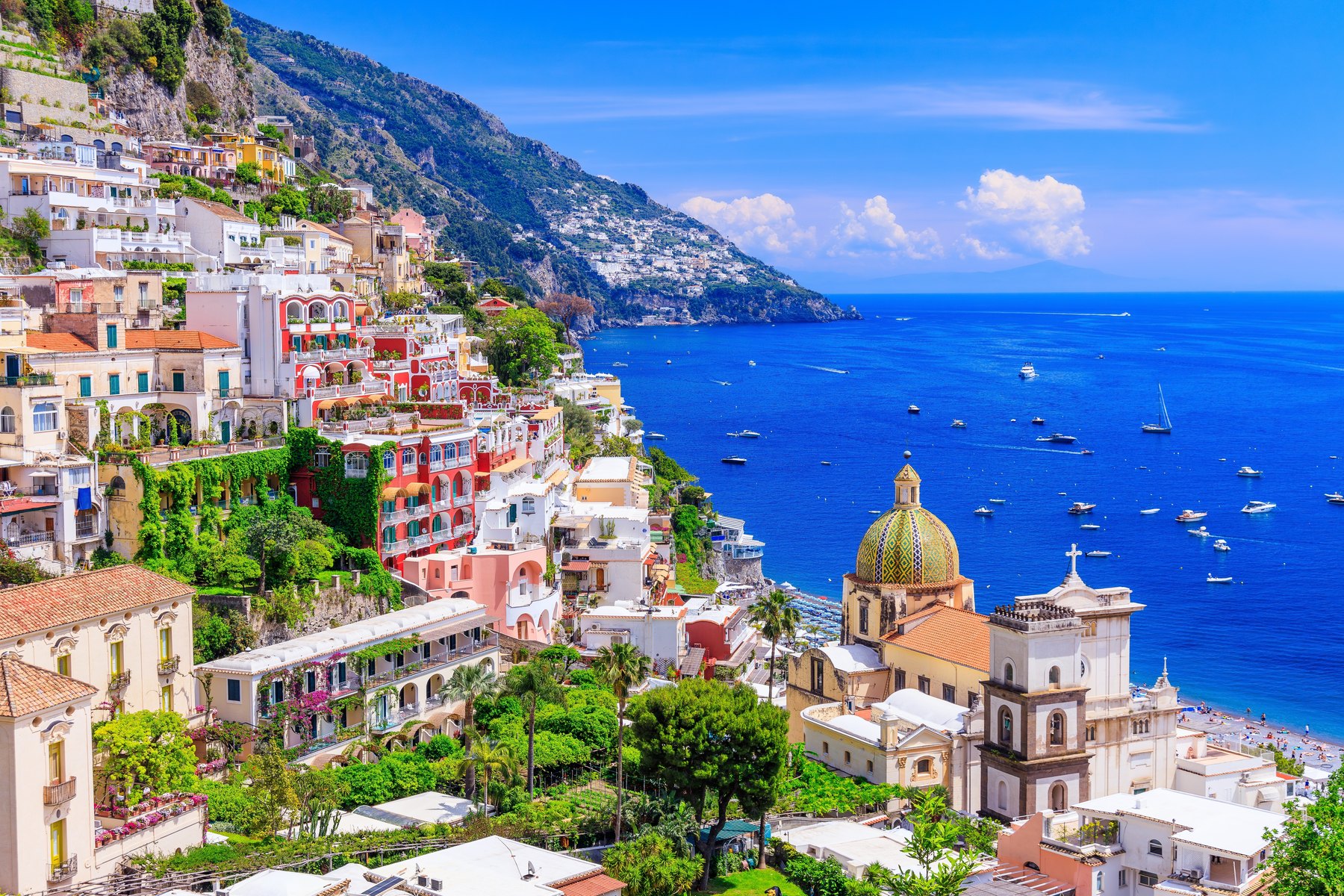
Positano · Amalfi Coast
Explore Amalfi Coast journeys